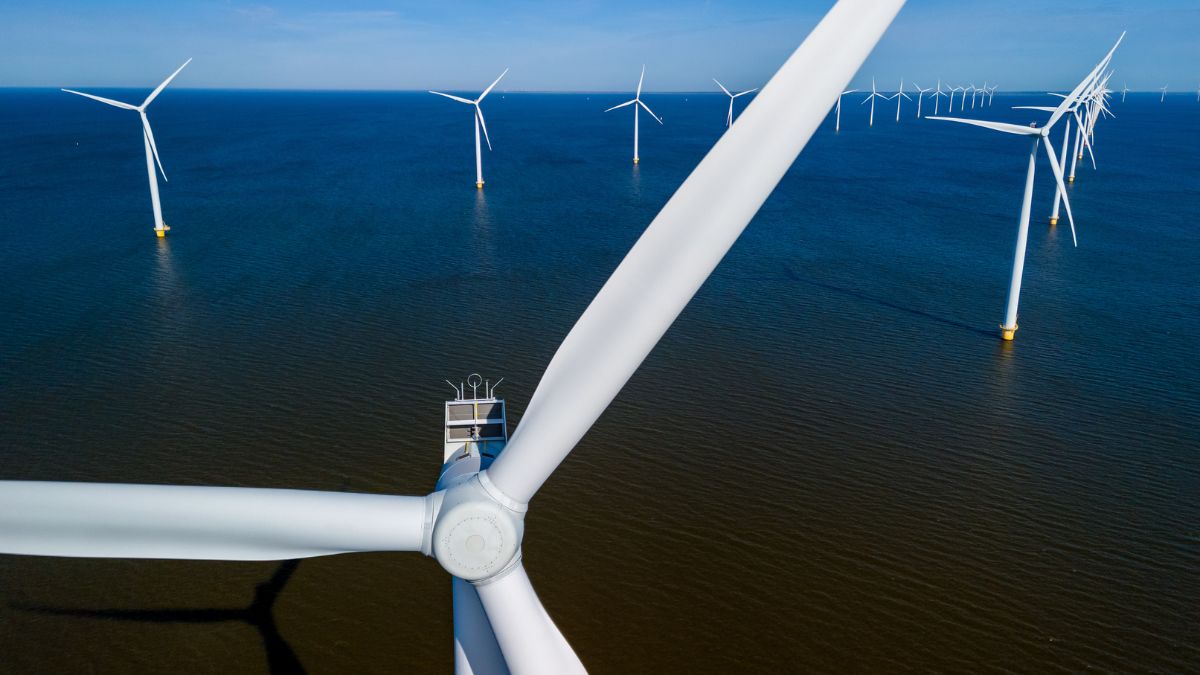
The long-term performance of an offshore wind farm is determined long before the first turbine begins operation. Structural performance throughout a 20- to 30-year design life depends on a series of early-stage engineering decisions, including environmental load characterization, foundation selection and sizing, dynamic analysis of the coupled tower-substructure-foundation system to ensure that its natural frequencies remain outside rotor-induced excitation ranges, and validation of the metocean datasets that underpin the entire design process. Errors or uncertainties introduced during this phase frequently translate into substantial downstream costs, including engineering rework, project delays, and, in the worst case, premature structural fatigue.
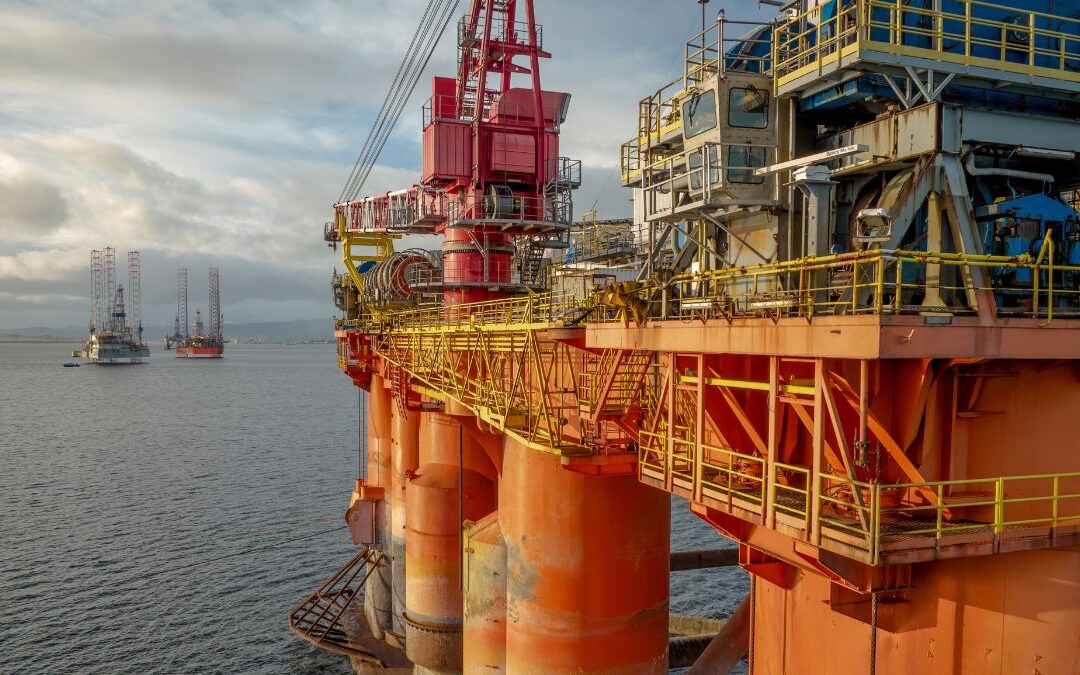
At NSG, these types of decisions have guided more than two decades of offshore engineering projects in Brazil’s oil and gas sector. Today, we apply the same engineering principles and a comparable methodological framework to offshore wind developments in the Baltic Sea, the North Sea, and the US East Coast. Our in-house structural and integrity engineering team brings extensive experience in applying these methodologies under the demanding regulatory, operational, and environmental conditions traditionally associated with offshore oil and gas projects.
Foundation design and environmental loading in offshore wind
The design of offshore support structures, whether fixed-bottom (monopile, jacket, tripod) or floating (semi-submersible, spar, TLP), is a core component of NSG’s offshore wind portfolio. This work involves parametric studies that evaluate the interaction between water depth, seabed geotechnical characteristics, and turbine rating to identify the optimal balance between steel tonnage, design loads, and dynamic structural performance.
These assessments are performed using industry-standard structural and hydrodynamic simulation tools, including finite element analysis (FEA) and OrcaFlex, which are already extensively applied across NSG’s offshore oil and gas projects. A key objective is to ensure that the system’s natural frequencies remain outside the 1P (rotor rotational frequency) and 3P (blade-passing frequency) excitation ranges, thereby avoiding resonance phenomena that could adversely affect structural integrity and service life.
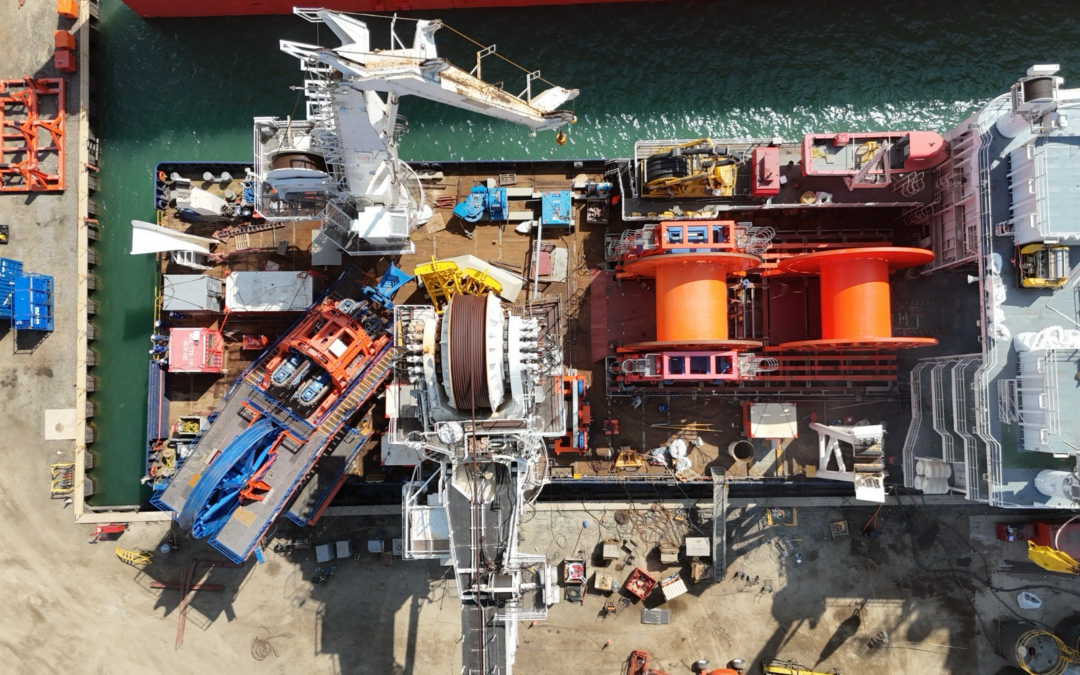
Techno-economic feasibility studies, typically developed within a FEED framework, also account for energy losses associated with wake effects, where downstream turbines experience reduced wind speeds and increased turbulence intensity due to wakes generated by upstream units. These studies further evaluate the availability of specialized installation and maintenance vessels, incorporating historical operational performance data and metocean windows to support execution planning and risk assessment.
Underpinning all these analyses are the metocean datasets that have long served as the foundation for offshore oil and gas platform design. In offshore wind applications, these datasets support both structural load assessments and operational logistics evaluations. In Brazil, offshore measurement infrastructure remains relatively limited. To address this challenge, NSG works alongside international partners to apply methodologies already validated in mature offshore wind markets, adapting them to the environmental conditions and logistical realities of the Brazilian coastline. The result is a structured, auditable, and technically robust basis for investment and development decisions.
Looking to reduce technical and engineering risk in your next offshore wind project, whether during feasibility studies or detailed foundation design?
Talk to NSG and discover how more than two decades of offshore engineering experience in the oil and gas sector can help derisk your next offshore wind development, from early-stage feasibility through detailed foundation design.